Photovoltaic (PV) Solar Energy-Everything You Need to Know
Photovoltaic (PV) solar energy is one of the most effective and sustainable methods of generating clean electricity since it converts sunlight directly into power. As energy costs rise and the desire for environmentally friendly alternatives grows, understanding how PV solar systems function and their benefits has become critical for both homeowners and businesses.
Neal Solar, an authorised and trusted solar expert, is skilled to explain and deliver reliable PV solar solutions. With qualified specialists and a great track record of successful residential and business installations throughout Kerala, Neal Solar has established itself as the best solar energy company in Kerala, providing proven competence and durable solar systems.
What is Photovoltaic (PV) Solar Energy
Photovoltaic (PV) solar energy is a sustainable energy technology that creates electricity directly from sunlight. Solar panels constructed of photovoltaic cells, which are usually composed of semiconductor materials like silicon, are used in this procedure.
When sunlight strikes these PV cells, it excites electrons and generates an electric current—a phenomenon known as the photovoltaic effect. The electricity generated can be used immediately, stored in batteries, or supplied into the power grid, making PV solar energy a clean, dependable, and long-term power source for households, businesses, and industries.
How Do Photovoltaic (PV) Solar Energy Work
Photovoltaic (PV) solar energy works by converting sunlight directly into electricity through solar panels. Here’s a simple step-by-step explanation:
- Sunlight hits the solar panels: PV panels are made up of photovoltaic cells (usually silicon-based) that absorb sunlight.
- Generation of electric charge: When sunlight strikes the PV cells, it excites electrons inside the cells, creating direct current (DC) electricity. This process is called the photovoltaic effect.
- Conversion to usable electricity: The DC electricity flows to an inverter, which converts it into alternating current (AC) electricity used in homes and businesses.
- Power usage and storage: The generated electricity is used to run appliances. Any excess power can be stored in batteries or exported to the grid (in grid-connected systems).
- Continuous energy production: As long as sunlight is available, the PV system continues producing clean, renewable energy with minimal maintenance.
Key Components in a Photovoltaic Solar Energy
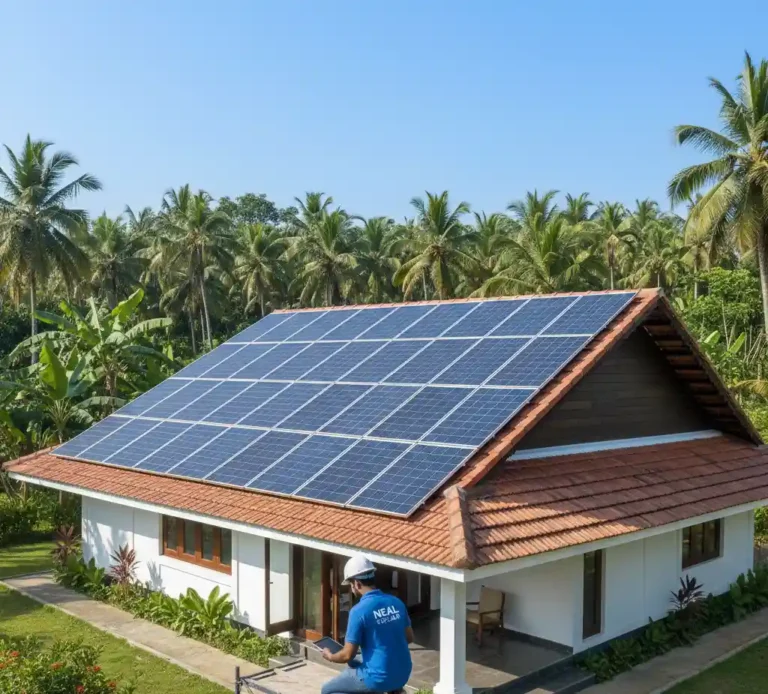
A photovoltaic solar energy system consists of several crucial parts that cooperate to effectively produce, convert, and control electricity:
- Solar Panels (PV Modules): These are the core of the system. Solar panels contain photovoltaic cells that capture sunlight and convert it into direct current (DC) electricity.
- Inverter: The inverter converts DC electricity produced by the panels into alternating current (AC), which is suitable for household and commercial use.
- Mounting Structure: This supports and secures the solar panels on rooftops or the ground, ensuring proper tilt and orientation for maximum sunlight exposure.
- Charge Controller (for battery-based systems): It regulates the voltage and current coming from the panels to the batteries, preventing overcharging and damage.
- Battery Storage (optional): Batteries store excess solar energy for use during nighttime or power outages.
- Cables and Electrical Accessories: These include DC and AC cables, junction boxes, switches, and safety devices that ensure safe and efficient power flow.
- Net Meter (for grid-connected systems): A net meter measures the electricity exported to and imported from the grid, helping track energy savings.
In a PV solar energy system, these elements work together to guarantee efficient energy generation, conversion, storage, and delivery.
Types of PV Cells
Photovoltaic (PV) cells are primarily characterized by the material used and their efficiency. The three most common varieties are:
- Monocrystalline Solar Cells: Made from a single, pure silicon crystal, monocrystalline cells are renowned for their high efficiency and long lifespan. They operate effectively in low-light circumstances and need little space, making them suitable for rooftops with limited space.
- Polycrystalline Solar Cells: These cells are created by melting together several pieces of silicon. They are less expensive than monocrystalline cells, but have slightly lower efficiency. Polycrystalline panels are a common option for installations in homes and businesses when cost is a major consideration.
- Thin-Film Solar Cells: Photovoltaic material is deposited onto a substrate, such as metal or glass, to generate thin-film cells. Although they typically have lesser efficiency and need more installation space than crystalline panels, they are lightweight, flexible, and aesthetically versatile.
Each type of PV cell offers unique advantages, and the best choice depends on space availability, budget, and energy requirements.
Benefits of Using PV Cells
Photovoltaic (PV) cells offer numerous advantages, making them a preferred choice for clean and sustainable energy generation:
- Renewable and Eco-Friendly: PV cells generate electricity using sunlight, a renewable resource, and produce no harmful emissions, helping reduce the carbon footprint.
- Lower Electricity Bills: By generating your own power, PV cells significantly cut down dependency on grid electricity, resulting in long-term cost savings.
- Low Maintenance: PV systems have minimal moving parts, requiring only periodic cleaning and basic maintenance to operate efficiently.
- Energy Independence: Using solar power reduces reliance on conventional energy sources and protects against rising electricity costs.
- Long Lifespan: High-quality PV cells typically last 25 years or more, offering reliable performance over decades.
- Scalable and Versatile: PV systems can be easily expanded and installed on rooftops, open land, or commercial spaces to suit varying energy needs.
- Suitable for Multiple Applications: PV cells can power homes, offices, industries, remote areas, and even support off-grid solutions.
Drawbacks in Using PV Cells
While photovoltaic (PV) cells offer many benefits, there are a few limitations to consider:
- High Initial Installation Cost: The upfront cost of solar panels, inverters, and installation can be high, although long-term savings often offset this expense.
- Dependence on Sunlight: PV cells generate electricity only when sunlight is available. Energy production is lower on cloudy days and stops at night unless supported by batteries or the grid.
- Space Requirement: Efficient solar power generation requires sufficient roof or ground space, which may not be available in all locations.
- Energy Storage Cost: Battery systems used for storing excess energy can be expensive and may need replacement over time.
- Efficiency Limitations: PV cells convert only a portion of sunlight into electricity, and efficiency can be affected by dust, shading, and high temperatures.
- Weather and Location Impact: Solar performance varies based on geographic location, seasonal changes, and weather conditions.
Applications of Photovoltaic Solar Energy
Photovoltaic solar energy is widely used across various sectors due to its flexibility and sustainability:
- Residential Power Generation: PV systems are commonly installed on rooftops to supply electricity for homes, reducing power bills and dependence on the grid.
- Commercial and Industrial Use: Offices, factories, malls, and warehouses use PV solar systems to meet large energy demands and lower operational costs.
- Grid-Connected Power Plants: Large-scale solar farms generate electricity and supply it directly to the power grid.
- Off-Grid and Remote Areas: PV solar energy provides reliable electricity in rural or remote locations where grid access is limited.
- Agricultural Applications: Solar power is used for water pumping, irrigation systems, fencing, and cold storage in farms.
- Public Infrastructure: PV systems power streetlights, traffic signals, railway stations, and public buildings.
- Portable and Consumer Devices: Small PV cells are used in calculators, solar lanterns, chargers, and other portable electronics.
How Neal Solar; The Best Solar energy company in Kerala, Can Help You in Choosing the Right One?
Choosing the ideal photovoltaic (PV) solar system necessitates technical competence, proper planning, and a clear understanding of your energy requirements—and here is where Neal Solar can help. Neal Solar starts by conducting a thorough site evaluation and energy analysis in order to suggest the best solar solution for your power usage, available space, and financial constraints.
With certified professionals and a comprehensive understanding of the recent solar technologies, Neal Solar can help you choose the right type of PV panels, inverter, and system configuration—whether it’s on-grid, off-grid, or hybrid. Every stage, from design and installation to permissions and post-purchase assistance, is managed with accuracy and openness.
Backed by an extensive history of successful installations and a client-first approach, Neal Solar has established its reputation as the best solar energy company in Kochi Kerala, guaranteeing you receive an effective, affordable, and future-ready solar power system customized to your needs.
Final Thoughts
Photovoltaic (PV) solar energy stands out as a smart, sustainable, and innovative power source for homes, businesses, and industries. PV solar energy is essential to the shift to clean and renewable energy because of its capacity to minimize electricity costs, lessen environmental impact, and promote long-term energy independence. Installing a PV solar system becomes a dependable step toward a more economical and environmentally friendly energy future when done under the guidance of qualified experts and with high-quality installations.
FAQ
Is Photovoltaic AC or DC?
Photovoltaic (PV) systems generate Direct Current (DC) electricity, not AC.
When sunlight hits the solar panels, the photovoltaic cells generate direct current (DC). However, most homes, businesses, and electrical appliances use alternating current (AC). To make solar power usable, an inverter converts the DC from the panels into AC electricity.