Solar energy is largely recognised as one of the safest and most reliable renewable energy sources available today, but many prospective customers are still confused about one critical issue: what is the greatest danger associated with solar panels?
It’s a valid concern. After all, any long-term investment in your roof always raises concerns regarding durability, maintenance, weather resistance, and electrical safety. Even though contemporary solar systems are built to stringent safety standards and equipped with cutting-edge protective technologies, customers often worry about issues such as roof damage, fire hazards, or performance decline over time due to misconceptions.
The truth is that the majority of these threats are either exceedingly infrequent or easily avoided with appropriate installation and regular maintenance. Choosing the right system and receiving competent supervision is significantly more important in terms of safety than the technology itself.
For homeowners and businesses exploring clean energy solutions, comprehending these realities is the first step toward making an informed decision. And working with the experts like Neal Solar, the best solar panel company in Kerala, can help ensure that your solar investment is efficient, safe, and worry-free for years to come.
What is the Biggest Risk of Solar Panels?
Solar panels are usually regarded as very safe, but like any electrical system, they come with a few possible risks, most of which are linked not to the technology itself, but to improper installation or low-quality components. Understanding these dangers contributes to a safer and more reliable solar setup.
- Electrical Fire Risks (Primary Concern): The most serious risk connected with solar panel systems is electrical fire, which is typically caused by poor installation, faulty wiring, or low-quality components. When systems are not installed in accordance with safety regulations, electrical faults can form over time, increasing the risk of overheating and fire. This is why skilled installation and authorised materials are essential for long-term protection.
- DC Arcing and Hot Spots: Another important issue is DC arcing, which occurs when there are loose connections, damaged cables, or faulty connectors in the system. In a solar system, direct current (DC) flows continuously, and any break or instability in the circuit might result in an electrical arc. One of the main reasons for system failures and, in rare instances, fire events, these arcs produce extreme heat. Similarly, hot spots can occur on panels when a portion of the module is shadowed, unclean, or broken, resulting in localised warming and decreased efficiency.
- Structural and Weather-Related Risks: Beyond electrical problems, there are structural risks to consider. Poorly built mounting systems can cause roof damage or instability, particularly in locations with high rainfall and strong winds, such as Kerala. If the mounting structure is not designed to withstand monsoon wind loads, it may weaken over time, posing safety risks and lowering system longevity.
How These Risks Are Prevented
The good news is that when the system is properly installed and constructed, these hazards are very uncommon. Using Tier-1 solar panels, certified inverters, and professional installers greatly decreases the likelihood of electrical and mechanical failures. Solar installations are guaranteed to be safe, long-lasting, and highly effective for decades when properly designed, supported by strong mounting structures, and maintained regularly.
In short, solar energy remains one of the safest renewable energy investments, particularly when managed by skilled experts who are familiar with both local environmental conditions and technology.
Why Choosing the Best Solar Panel Company in Kerala Matters
When people talk about the “risks” of solar panels, the reality is that the “risk” isn’t with solar technology itself, but with “cheap” alternatives homeowners opt for.
- Quality Standards Make All the Difference: Solar panels, inverters, and mounting structures must adhere to rigorous international quality and safety standards. Reputable suppliers employ approved wiring, Tier-1 panels, and dependable inverters that are made to resist heat, humidity, and heavy rainfall—conditions that are especially important in Kerala.
Conversely, low-cost or unbranded systems frequently ignore safety inspections and materials. Poor electrical connections, less efficiency, quicker degradation, and in the worst situations, safety risks like overheating or electrical problems might result from this.
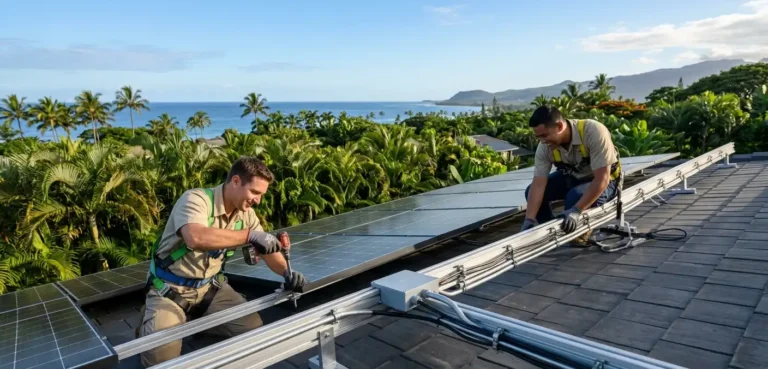
- Installation Expertise is Critical: Even the best equipment will fail if it is not properly placed. Correct system design, appropriate earthing, safe mounting structures, and adherence to safety rules are all guaranteed by a reliable installation. This is especially crucial in Kerala, where powerful, well-designed infrastructure is required due to monsoon winds and frequent rains.
- Long-Term Reliability and Peace of Mind: Solar energy itself is not the problem—compromising on quality is. Choosing the best solar panel company in Kerala means you’re not just purchasing a product; you’re investing in long-term performance, safety, and support. A qualified business guarantees that your system operates well for decades with minimal risk, from site evaluation to after-sales support.
Common Solar Myths vs. Reality
- Myth: Solar panels attract lightning
- Reality: Solar panels do not attract lightning any more than any other metal structure on your roof. They are not made to “pull” lightning. In reality, a correctly built earthing (grounding) system will safeguard your home and solar system from electrical surges. Professional installations always include these safety precautions, ensuring that your system is secure even during severe storms.
- Myth: Panels will damage my roof
- Reality: Solar panels actually aid in protecting the area of the roof they cover when properly installed. Professional installers perform a comprehensive structural evaluation before installation to guarantee your roof is capable of handling the additional load. Additionally, they employ specific mounting methods that stop leaks and preserve the structural integrity of your roof over time.
How to Minimize Risk: A Homeowner’s Checklist
- Choose Tier-1 Panels: Choose Tier-1 solar panels from reliable suppliers at all times. Strong construction, stringent testing requirements, and extended performance warranties (often lasting 25 years or longer) are all included with these panels. High-quality panels are less prone to flaws, degradation, and safety issues, making them an important first step in reducing risk.
- Understand Inverter Technology: Your inverter plays a key role in both performance and safety.
- String Inverters are commonly used and cost-effective, but they connect multiple panels in a single circuit.
- Micro-Inverters operate at the individual panel level, reducing the impact of faults and improving overall system safety.
Rapid Shutdown features, which immediately cut off power at the panel level during crises, are another common characteristic of modern systems. This is particularly crucial for fire safety since it enables emergency personnel to operate the system safely.
- Ensure Proper Installation Standards: Even the best components can fail if installed poorly. Always collaborate with qualified experts who adhere to correct wiring procedures, grounding (earthing), and structural mounting guidelines—particularly crucial given Kerala’s environment.
- Add Solar to Your Insurance Policy: A solar system is an important long-term asset; include it in your home insurance policy. The majority of insurers let you add coverage for solar installations against hazards, including fire, natural catastrophes, and unintentional damage. This extra layer of security provides complete peace of mind.
Why Periodic Cleaning and Wire Inspections Prevent the "Hot Spots"
“Hot spots” are one of the most ignored issues in solar panel systems, yet they are also one of the simplest to prevent. These happen when a small portion of a panel overheats as a result of uneven energy flow, which is frequently brought on by dirt buildup, shade, or slight electrical problems.
How Cleaning Helps Prevent Hot Spots
Dust, bird droppings, leaves, and other debris can prevent sunlight from reaching certain cells on a panel. When certain cells see less sunlight than others, they stop producing energy efficiently and begin opposing the current flowing through them. This resistance generates heat, resulting in what is known as a hot spot.
Regular cleaning ensures that all cells receive equal amounts of sunlight, allowing for balanced energy production and limiting localised overheating. In places like Kerala, where humidity, dust, and organic garbage are common, regular cleaning is even more necessary.
The Role of Wire and Connection Inspections
Hot spots can also form as a result of loose connections, worn-out cables, or malfunctioning junction boxes. These problems prevent electricity from flowing smoothly, which causes resistance and heat accumulation in particular parts of the system.
Routine inspections help identify:
- Loose or corroded connectors
- Damaged insulation or exposed wiring
- Signs of wear in junction boxes or connectors
Fixing these early prevents minor issues from turning into serious safety risks.
Long-Term Safety and Efficiency
Regular maintenance enhances system performance in addition to protecting it. Maximum energy output, a lower chance of system failure, and a longer lifespan for your solar investment are all guaranteed by clean panels and secure connections.
Conclusion
So, what is the greatest risk of solar panels? The answer is obvious: it is not the technology itself, but the quality of the installation and components you select. Issues like electrical faults, hot spots, or structural concerns are very rare and almost always linked to poor workmanship or low-grade materials.
Fortunately, these hazards are easily preventable. Solar energy continues to be one of the safest and most dependable investments for your home if you select high-quality equipment, make sure it is installed correctly, and follow basic maintenance procedures.
Ultimately, the key to a stress-free solar experience lies in working with the correct professionals. Partnering with Neal Solar, the best solar company in Kerala, guarantees that your system is planned, installed, and maintained to the greatest standards, resulting in long-term performance, safety, and total peace of mind.