Ultimate Guide: Everything You Need to Know About Solar Panel Installation
With rising electricity rates and a growing drive for green energy, switching to solar power is no longer simply an option; it’s a wise long-term decision. More homeowners and companies are realising the benefits of producing their own renewable energy, reducing their reliance on traditional power sources, and lowering monthly electricity bills.
But switching to solar energy is more than just putting panels on a roof. Making an informed choice requires knowledge of the installation procedure, system components, expenses, government incentives, and long-term advantages. Whether you’re considering a residential or commercial solar installation, knowing the appropriate information will help you maximise your return on investment while also contributing to a more sustainable future.
As the best solar panel company in Kerala, Neal Solar is dedicated to making clean energy available, effective, and hassle-free. Neal Solar assists clients in making the confident switch to solar power through professional advice, tailored system design, easy installation, and continuous support. This guide covers everything necessary to know about solar panel installation, allowing you to take the first step toward a greener and more sustainable future.
The Ultimate Guide to Solar Panel Installation
Solar panel installation is one of the most effective ways to shift to renewable energy, allowing homeowners and businesses to save money on power while also embracing a sustainable future. This guide covers every step of the process, from site assessment and system design to installation, testing, and final grid connection, so you know exactly what to anticipate when you switch to solar power.
Environmental Benefits of a Solar Panel Installation
Solar panel installation lowers your carbon footprint right away, which has major positive effects on the environment. A home solar system reduces reliance on fossil fuels and greenhouse gas emissions by using sunshine to generate clean, renewable electricity. Even a single household installation can contribute significantly to a cleaner environment over time, while also assisting with the transition to sustainable energy.
Financial Returns on Your Solar Panel Installation Investment
Solar panel installation is a wise financial decision in addition to being environmentally beneficial. With lower monthly electricity bills, most systems provide a good return on investment and can recoup their initial costs in a few years. Over a normal 25-year lifespan, homeowners can save a significant amount of money on energy while still enjoying consistent, low-cost electricity even after the payback period is over.
Crucial Steps to Take Before a Solar Panel Installation
Solar Panel Installation begins with thorough planning and assessment to guarantee optimal efficiency and longevity. Examining the roof’s structural integrity, doing a shade analysis to find potential obstacles, assessing the roof’s orientation and tilt for the best exposure to sunshine, and comprehending local net-metering laws are important pre-installation procedures. Taking these necessary steps ensures a smooth installation process and maximises the benefits of your solar energy system
Selecting the Right Equipment for Your Solar Panel Installation
Solar Panel Installation involves choosing the correct components to guarantee optimal performance and long-term value. Homeowners can choose between monocrystalline panels, renowned for their higher efficiency and elegant appearance, and polycrystalline panels, which provide a more budget-friendly option. Similarly, understanding the distinctions between string inverters and microinverters can help maximise energy production, while choosing long-lasting mounting structures ensures the system’s security and efficiency for years to come.
A Step-by-Step Breakdown of the Solar Panel Installation Process
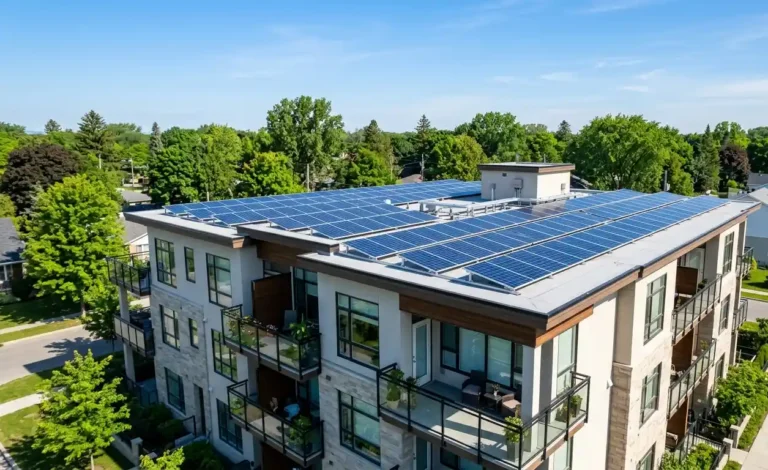
An organised procedure is followed during solar panel installation to guarantee long-term performance, efficiency, and safety. A typical installation starts with scaffolding and safety equipment, then roof mounts are installed to give a strong base for the system. The solar panels are then positioned and fastened to the mounting structure, after which the electrical wiring is attached to the inverter and other system components. After all connections are made, the system is tested and inspected to make sure it is operational.
How Long Does a Typical Solar Panel Installation Take?
The size and complexity of the project will determine how long it takes to install solar panels. While the physical installation of panels, mounting frames, and electrical components usually takes 1-3 days, the entire procedure might take several weeks due to site evaluations, system design, permit approvals, and utility inspections. Comprehending these phases facilitates the establishment of reasonable expectations and guarantees a seamless shift to solar power.
Safety Standards to Follow During a Solar Panel Installation
Solar Panel Installation must comply with strict safety standards to safeguard both installers and property owners. When working with high-voltage DC wiring, professional handling is crucial because incorrect connections might provide significant electrical hazards. When working at heights, installers should make sure the roof structure can safely take the added load of the solar system and wear the proper fall protective gear. Following safety guidelines and industry best practices contributes to a safe, dependable, and durable installation.
Common Pitfalls to Avoid in a Solar Panel Installation
When done correctly, solar panel installation can have long-term benefits, but typical errors can shorten the system’s lifespan and performance. Inadequate waterproofing that causes roof leaks, improper panel tilt angles that restrict energy generation, and insufficient wiring that can compromise efficiency and safety are common DIY mistakes and low-quality contractor shortcuts. Selecting skilled experts and high-quality parts helps steer clear of these hazards and guarantees a dependable, effective solar system.
Post-Solar Panel Installation Inspections and Grid Connection
Solar panel installation does not end with the actual configuration of the system. After the panels and electrical components are installed, the system is inspected by the appropriate authorities and thoroughly tested to guarantee compliance with local legislation and performance standards. The net-metering system, which enables excess electricity produced by the solar panels to be fed back into the grid and credited to the owner’s account, is turned on once the required permits are obtained.
Maintenance Tips to Protect Your Solar Panel Installation
To guarantee long-term effectiveness and maximum energy output, solar panel installation needs routine maintenance. Simple actions like cleaning the panels on a regular basis to eliminate dust and debris, monitoring inverter performance for error signals, and checking for seasonal shade from trees or surrounding structures can all help to enhance system performance dramatically. Regular maintenance helps the system last longer and guarantees that it will continue to provide the greatest savings over time.
Partnering with the Best Solar Panel Company in Kerala
Solar panel installation is best handled by skilled professionals, especially given Kerala’s unique climate circumstances, such as severe monsoons and high temperatures. As the best solar panel company in Kerala, Neal Solar offers long-lasting system design with premium components that survive weather conditions while keeping high efficiency. The company also provides efficient subsidy processing and end-to-end installation services, making the move to solar energy easy, dependable, and future-proof for both residential and commercial customers.
Understanding the Total Cost of a Solar Panel Installation
Solar panel installation costs vary according to system size, equipment quality, and project specifications. Solar panels, inverters, mounting structures, electrical components, structural evaluations, installation personnel, and permitting costs are usually included in the entire investment. While upfront costs may seem substantial, government subsidies and incentive programs may significantly lower the initial investment, making solar energy a more affordable and cost-effective solution for homeowners and businesses.
How Weather and Climate Affect Your Solar Panel Installation
Even in overcast or rainy weather, solar panel installations continue to produce electricity. While energy output may be reduced on highly gloomy monsoon days, current solar panels are intended to absorb diffuse sunlight that filters through clouds. As a result, the system can continue to generate power, guaranteeing steady operation all year long. Solar installations can be highly effective even in areas with regular rains and varied weather conditions if they are designed properly and use high-quality components.
Commercial vs. Residential Solar Panel Installation Differences
The criteria for solar panel installation for residential and commercial installations differ considerably. Residential systems are typically designed to satisfy household energy demands with smaller rooftop setups, while commercial installations are larger and need greater structural planning, higher-capacity equipment, and more complex grid integration. Commercial systems can provide significant long-term savings and energy independence, but they frequently require a larger initial investment. Timelines for return on investment, power requirements, and system scalability also vary, so it’s critical to select a solution that meets the unique requirements of the property.
Key Questions to Ask Your Contractor Before a Solar Panel Installation
Asking the appropriate questions before selecting a contractor is crucial because solar panel installation is a long-term investment. Make sure to ask about equipment and workmanship warranties, estimated system performance and energy output guarantees, licensing and certifications, project timetables, and potential government subsidies. It is also critical to understand the company’s post-installation maintenance, monitoring, and support services to ensure that your solar system runs properly for years to come.
Is Your Home Ready for a Solar Panel Installation?
How to Install Solar Panels at Home starts with understanding whether your property is prepared for a solar energy system. Key factors to consider include:
- Adequate roof space for the required number of solar panels
- Good sunlight exposure with minimal shading throughout the day
- Strong roof structure capable of supporting the system’s weight
- Analysis of past electricity consumption and energy needs
- Budget planning, including available government subsidies and incentives
- Long-term savings potential and expected return on investment
- Selection of high-quality solar components and equipment
- Partnership with a trusted and experienced solar installation company
Reviewing these variables can assist you in determining your home’s solar preparedness. Read this blog to obtain a thorough grasp of the solar panel installation procedure and confidently transition to clean energy.
Conclusion
Solar energy is a long-term investment in sustainability, energy independence, and financial savings rather than only a means of lowering electricity costs. From site assessment and equipment selection to installation, grid connection, and ongoing maintenance, understanding each stage of the procedure guarantees an effective solar transition.
Whether you’re a homeowner or a business owner, working with the best solar panel company in Kerala can make a huge difference. Neal Solar helps you optimise the advantages of solar energy while guaranteeing a seamless and trouble-free installation experience with professional advice, high-quality components, and dependable service. Make the first move toward a greener, cleaner future by selecting a solar system that will continue to provide value for many years to come.
FAQ
What happens after 25 years of solar?
After 25 years, solar panels usually continue to generate electricity, though at a slightly reduced efficiency. Most panels retain 80-85% of their original performance, allowing them to continue producing clean energy for many years if properly maintained.