Thin-film solar technology is becoming a game-changer in the renewable energy sector as the globe moves toward greener and more intelligent energy solutions. Known for its lightweight structure, flexibility, and ability to perform effectively even in low-light conditions, thin-film solar is opening doors to innovative applications, from building-integrated solar panels and curved surfaces to portable power solutions and smart infrastructure.
In Kerala, where sustainability and smart energy usage are fast increasing, Neal Solar distinguishes itself as a trusted provider of sophisticated solar solutions suited to local demands. Neal Solar has established itself as the best solar panel company in Kerala by enabling households and businesses to fully utilize next-generation solar technologies thanks to its extensive industry knowledge, state-of-the-art technology, and unwavering dedication to quality.
Innovative Applications for Thin-Film Solar
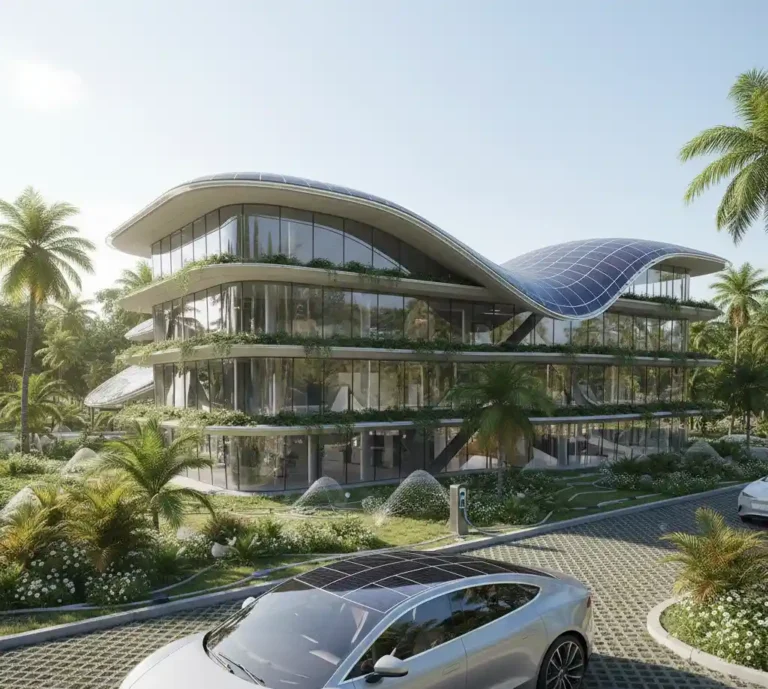
Building-Integrated Photovoltaics (BIPV): Thin-film solar can be seamlessly integrated into windows, façades, rooftops, skylights, and glass surfaces, turning buildings into power-generating assets without compromising design. This makes it ideal for modern, sustainable architecture in urban environments.
Portable & Wearable Technology: Due to its flexibility and low weight, thin-film solar is widely used in portable chargers, backpacks, smartwatches, and outdoor gear. These applications enable on-the-go power generation, especially useful for travel, emergency use, and remote locations.
Electric Vehicles (EVs) & Transportation: Thin-film solar can be embedded into car roofs, buses, trains, and marine vessels to support auxiliary power needs, improve energy efficiency, and extend battery life—paving the way for greener transportation systems.
IoT & Sensor Networks: For IoT devices, remote sensors, and smart monitoring systems, thin-film solar provides a reliable power source where grid access is limited. It is especially effective for smart cities, environmental monitoring, and industrial automation.
Agriculture (Agrivoltaics): In agrivoltaic systems, thin-film solar panels are installed over crops or greenhouses, enabling simultaneous farming and energy generation. Their light-transmitting properties help protect crops while producing clean energy, improving land efficiency.
Urban Infrastructure: Thin-film solar is increasingly used in streetlights, bus shelters, noise barriers, parking structures, and public signage. Its adaptability makes it ideal for space-constrained urban areas aiming to reduce energy costs and carbon footprints.
Space & Military Applications: Because of its high power-to-weight ratio and durability, thin-film solar is widely used in satellites, space missions, and military equipment. It provides dependable energy in extreme and remote conditions.
Flexible Electronics: Thin-film solar supports the future of flexible displays, smart packaging, e-paper, and foldable devices, enabling electronics to generate their own power while maintaining ultra-thin, bendable designs.
Why Thin Film Solar Panels Best Choice for the Above Applications Rather Than Monocrystalline & Polycrystalline Solar Panels
Here’s why thin-film technology outperforms rigid panels across the applications mentioned above:
Flexibility & Lightweight Design
Thin-film panels are flexible, bendable, and extremely lightweight, making them ideal for:
- BIPV (building façades, glass, curved surfaces)
- Wearable devices & flexible electronics
- EVs and transport applications
Better Performance in Low Light & High Temperatures
Thin-film panels maintain stable performance in:
- Cloudy weather
- High humidity
- Hot climates like Kerala
This makes them perfect for urban infrastructure, agriculture, and IoT systems, where lighting conditions vary.
Seamless Aesthetic Integration
Thin-film solar blends naturally into:
- Glass windows and building materials
- Smart city infrastructure
- Modern architectural designs
Superior Performance Under Partial Shading
In applications like:
- Agrivoltaics
- Urban installations
- Vehicle-mounted systems
- Thin-film panels continue generating power even when partially shaded.
Easy Integration Into Compact & Remote Systems
Thin-film solar is ideal for:
- IoT devices & sensor networks
- Portable chargers
- Military & space equipment
Its lightweight nature reduces structural and transportation constraints.
Durability & Reliability in Harsh Conditions
Thin-film panels are more resistant to:
- Vibration
- Mechanical stress
- Extreme environments
This makes them ideal for EVs, transportation, military, and space applications.
Efficient Use of Non-Traditional Surfaces
Thin-film solar can be installed on:
- Curved surfaces
- Vertical walls
- Lightweight structures
This enables energy generation in places where traditional panels simply won’t work.
Cost-Effective for Large-Area & Specialized Uses
Although thin-film panels have lower efficiency per square meter, they:
- Offer lower manufacturing costs
- Reduce installation and structural expenses
- Are economical for large-surface and integrated applications
Final Thoughts from The Best Solar panel company in Kerala
Thin-film solar technology is pushing the limits of how and where solar energy may be used. From building-integrated photovoltaics and smart urban infrastructure to electric vehicles, agriculture, IoT systems, and even space and military applications, its versatility, lightweight construction, and adaptability make it ideal for today’s energy demands. Unlike traditional solar panels, thin-film solutions readily integrate into commonplace surfaces and innovative technology, allowing clean energy generation with no design or functional constraints.
As companies and communities strive for smarter, more sustainable solutions, thin-film solar emerges as a vital enabler of innovation and efficiency. With ongoing improvements in performance and durability, it is prepared to play a critical role in crafting a future in which renewable energy is not simply an add-on, but an essential component of how we construct, move, and live.