What is Solar Energy ?
Solar energy is the energy captured from the sun’s rays and turned into usable forms like electricity or heat. It is a clean, renewable, and sustainable energy source that reduces reliance on fossil fuels and lowers carbon emissions. Solar panels, solar water heaters, and solar-powered devices are common methods for capturing and using solar energy in homes, businesses, and enterprises.
Neal Solar, a trusted solar energy company in Kerala, has years of expertise in installing and maintaining solar power solutions across the state. With years of experience and a proven track record of delivering effective solar systems to residential, commercial, and industrial clients, Neal Solar has the knowledge and technical competence to provide accurate information on solar energy, its uses, and benefits.
Is Solar Eenergy Renewable?
Yes, solar energy is renewable.
Solar energy comes from the sun, which is a basically inexhaustible source of power. Unlike fossil resources such as coal, oil, or natural gas, sunshine replenishes itself naturally every day and does not deplete on a human time scale. This makes solar energy a sustainable and environmentally friendly way to generate electricity and heat.
What are the 10 Uses of Solar Energy?
- Electricity Generation: Solar panels convert sunlight into electricity for homes, offices, and industries.
- Solar Water Heating: Solar water heaters provide hot water for domestic and commercial use.
- Lighting: Solar-powered lamps, streetlights, and garden lights reduce electricity bills.
- Cooking: Solar cookers allow eco-friendly cooking without using fuel.
- Powering Vehicles: Solar energy can be used in solar-powered cars, buses, and boats.
- Desalination of Water: Solar energy helps in converting seawater into drinking water through solar desalination plants.
- Agriculture: Solar-powered pumps and irrigation systems improve farming efficiency.
- Heating and Cooling: Solar energy can be used in heating systems and solar air conditioners.
- Remote Power Supply: Solar panels provide electricity in off-grid areas or remote locations.
- Industrial Applications: Factories use solar energy for process heating, drying, and other energy needs.
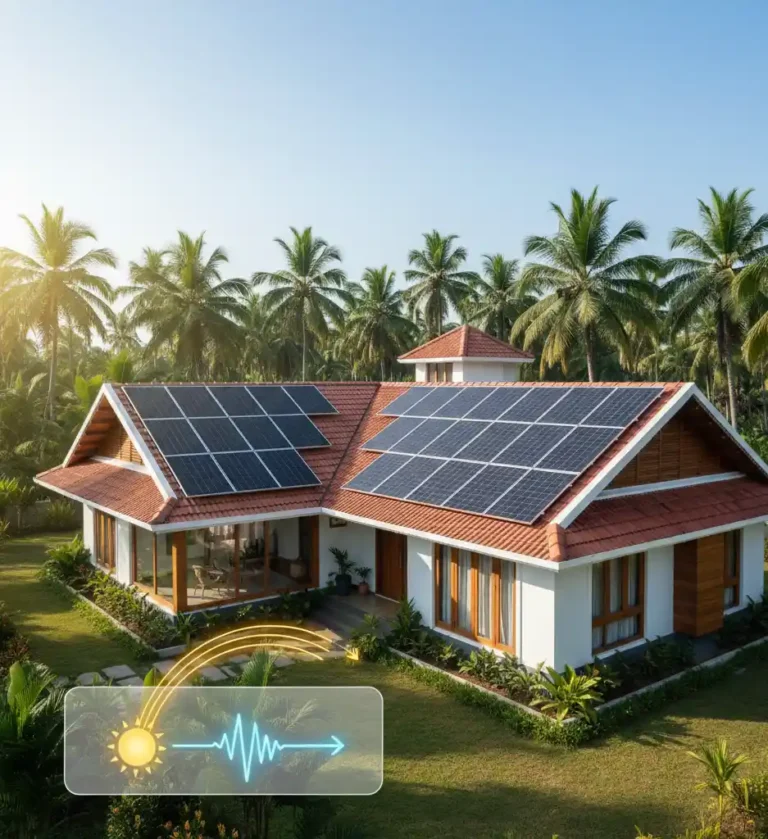
What are the Advantages and Disadvantages of Solar Energy
Advantages of Solar Energy
- Renewable Source: Solar energy comes from the sun and will not run out.
- Eco-Friendly: Produces clean energy with no harmful emissions.
- Reduces Electricity Bills: Solar panels lower monthly power costs significantly.
- Low Maintenance: Requires minimal upkeep after installation.
- Energy Independence: Reduces reliance on grid electricity and fossil fuels.
- Versatile Applications: Can be used for homes, businesses, agriculture, and industries.
Disadvantages of Solar Energy
- High Initial Cost: Installation and equipment can be expensive upfront.
- Weather Dependent: Efficiency reduces on cloudy or rainy days.
- Requires Space: Solar panels need sufficient roof or land area.
- Energy Storage Cost: Batteries for storing solar power can be costly.
- Energy Conversion Limits: Solar panels have limited efficiency compared to conventional power sources.
How Solar Energy Works
Solar energy is generated by transforming sunlight into useful power or heat using solar technology. Solar photovoltaic (PV) systems are the most popular approach.
Step-by-Step Process
- Sunlight Hits Solar Panels: Solar panels are made of photovoltaic cells (usually silicon) that absorb sunlight.
- Electric Current is Generated: When sunlight strikes the PV cells, it excites electrons and creates a direct current (DC) electricity.
- Conversion to Usable Power: An inverter converts DC electricity into alternating current (AC), which is used to run household and commercial appliances.
- Power Usage: The generated electricity is used immediately to power lights, machines, and devices.
- Excess Energy Storage or Export: Extra electricity can be stored in batteries or sent back to the power grid through net metering.
- Monitoring and Control: Solar systems include monitoring tools to track performance and energy savings.
How is Solar Energy Converted Into Electricity
Solar energy is turned into electricity using solar photovoltaic (PV) technology. Here is a step-by-step breakdown of the procedure:
- Sunlight Falls on Solar Panels: Solar panels contain photovoltaic cells made mainly of silicon. These cells absorb sunlight.
- Electron Movement Begins: When sunlight hits the PV cells, it energizes electrons inside the silicon, causing them to move. This movement creates direct current (DC) electricity.
- Electric Current is Collected: Metal contacts within the solar panel capture this DC electricity and channel it through wires.
- Inverter Converts DC to AC: Since homes and businesses use alternating current (AC), an inverter converts the DC electricity into usable AC power.
- Electricity is Used or Stored: The converted electricity powers appliances, lighting, and equipment. Any excess energy can be stored in batteries or exported to the grid through net metering.
What are the 5 Types of Solar Energy?
Below are the five main types of solar energy:
- Solar Photovoltaic (PV) Energy: This is the most common type. Solar panels convert sunlight directly into electricity using photovoltaic cells. It is widely used in homes, offices, and industries.
- Solar Thermal Energy: Solar thermal systems capture sunlight to produce heat. This heat is used for water heating, space heating, and industrial processes.
- Concentrated Solar Power (CSP): CSP uses mirrors or lenses to focus sunlight onto a single point to generate high temperatures. This heat produces steam to drive turbines and generate electricity, mainly used in large power plants.
- Passive Solar Energy: Passive solar design uses building orientation, windows, and materials to naturally capture and store heat from the sun, reducing the need for artificial heating or cooling.
- Solar Heating and Cooling Systems: These systems use solar energy for air heating, solar air conditioning, and refrigeration, improving energy efficiency in buildings.
How Much Energy Does One Solar Panel Produce ?
A single solar panel’s power, position, sunlight hours, and system efficiency all affect how much energy it can produce.
On average:
- A standard solar panel (400–550 watts) can generate 1.5 to 2.5 units (kWh) of electricity per day.
- This equals roughly 450 to 750 units (kWh) per year, under good sunlight conditions.
In sunny regions like Kerala, where sunlight is available for most of the year, solar panels frequently function effectively and provide consistent energy output.
Recognized as the Best solar panel company in Kerala, Neal Solar provides professional guidance, superior solar panels, and professionally designed systems that enhance power generation. Neal Solar guarantees optimal performance and long-term savings for homes and businesses with skilled experts and dependable after-sales service.
How to Use Solar Energy at Home
- Install Solar Panels: Place solar panels on your roof or in an area with maximum sunlight exposure. These panels will capture sunlight and convert it into electricity.
- Use a Solar Inverter: The inverter converts the electricity generated by solar panels (DC) into usable electricity for your home (AC).
- Power Your Home Appliances: Use the electricity from your solar system to run lights, fans, refrigerators, and other home appliances.
- Store Excess Energy: Install solar batteries to store extra energy produced during the day. This ensures an electricity supply during nights or cloudy days.
- Consider Solar Water Heating: Use solar water heaters to get hot water for bathing, cooking, or cleaning, reducing dependence on conventional energy.
- Monitor and Maintain: Use monitoring systems to track energy production and perform regular maintenance to ensure efficiency.
Does Solar Energy Cause Pollution
Solar energy is one of the cleanest sources of electricity, producing relatively little pollution during operation. Solar power, unlike fossil fuels, does not produce toxic gases such as carbon dioxide, sulfur dioxide, or nitrogen oxides, which contribute to air pollution and climate change.
Final Thoughts
Solar energy is a clean, renewable, and sustainable source of power that provides various benefits, including lower electricity bills and safeguarding the environment. By utilizing the sun’s energy, homes and businesses can attain energy independence while contributing to a greener future. Neal Solar, a reputable solar energy company in Kerala, offers professional advice, superior installations, and long-term support to guarantee optimal energy savings and performance for anyone wishing to implement dependable and effective solar solutions. Investing in solar energy today is not just smart—it’s a step toward an environmentally friendly tomorrow.